On a Moon Without People, a Nuclear Reactor Starts Up. Who Decides It Is "Safe"? - Designing the Rules of Verification Before the First Reactor Runs
#academist Prize 6th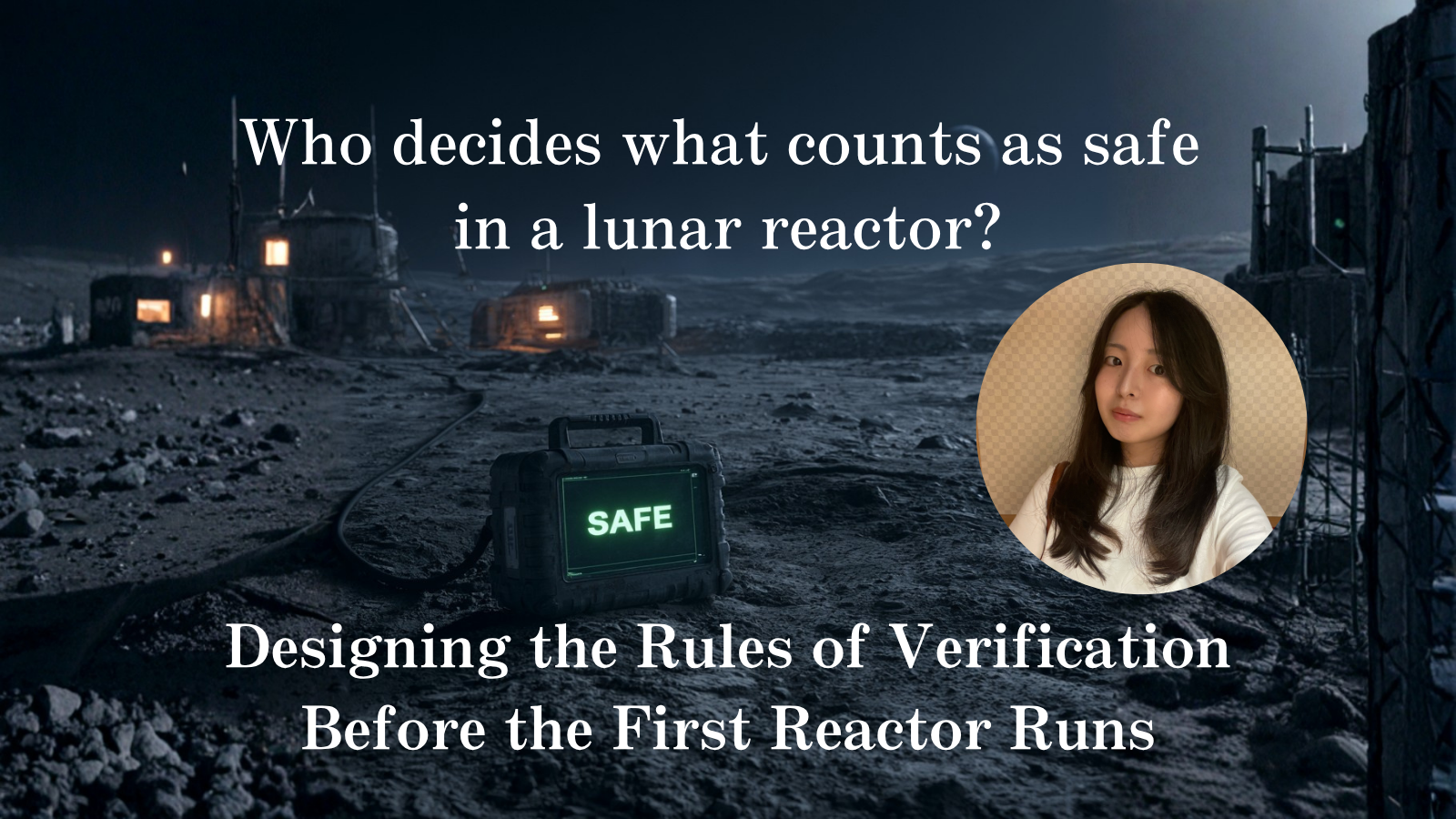

Profile

Risa Koyanagi
I study Human, Social and Political Sciences at the University of Cambridge. I first travelled to Fukushima in high school, and this year marks my sixth year of returning: Iwaki, Namie, Futaba, Minamisoma. As I interviewed evacuated residents and town and city officials, I began to notice something. The words and numbers that define what counts as "safe" get settled first, before anyone has any means of verifying them. That realisation is the starting point of everything I research. Today I work on an institutional question: who verifies the nuclear reactors that will be placed on the Moon?
Four sole-authored papers accepted at Data for Policy 2026 (Barcelona, Cambridge University Press) and the International Astronautical Congress (IAC 2026, Türkiye). Mentee, Vienna Center for Disarmament and Non-Proliferation. Cambridge Centre for International Research; Cambridge Future Scholar. JAXA ISEB delegate student. Space Policy Project Team Lead, Space Generation Advisory Council SG[Japan]. Effective Thesis Fellow
What do you hope to achieve through your research?
March 11, 2011. Fukushima. Residents, town officials, national government staff: everyone was groping in the dark. I have been taught this again and again through six years of interviews. The words and numbers used to judge whether things were safe were settled first, with no way for anyone to verify them. More than the event itself, it is where the words that name an event get decided that shapes people's lives afterwards. That is the structure I have been watching.
The same question is now heading for the Moon. NASA is working toward placing a nuclear reactor on the lunar surface by 2030. The requirement: autonomous operation for ten years without human intervention. China and Russia are following. But on the Moon, the only account that can officially establish what has happened to a reactor is the operating state's own reporting. If an anomaly occurs, there is no mechanism anywhere to determine whether it was a malfunction or a cyberattack, and to certify that determination as an official record. This is not science fiction. The US-led Artemis Accords already state that a country can declare "Safety Zones", and the country that places a reactor first can thereby bring about de facto restrictions on access.
What I am aiming for is a regime in which an independent party can certify anomalies at a lunar reactor, without relying on the operating state's self-reporting. To put that blueprint on the table before the first reactor is deployed. To let no one monopolise the authority to decide what counts as "safe". That is the purpose of my research.
What is your approach?
The Moon has no mechanism for verifying a reactor independently. The technology to observe heat and radiation from a distance exists, but there is no institution that can certify such observations as an "anomaly" and confirm them as an official record. The 1992 UN Principles and the 2009 IAEA-COPUOS Safety Framework both centre on pre-launch review; neither says who verifies a reactor once it is running. As things stand, the reactor is licensed by the very state that operates it.
What is more, the verification arrangement adopted for the first reactor will become the standard for all that follow. Once "the operating state's self-reporting is enough" hardens into the default, overturning it later will be extremely difficult. In other words, the only time a verification regime can be designed is before deployment.
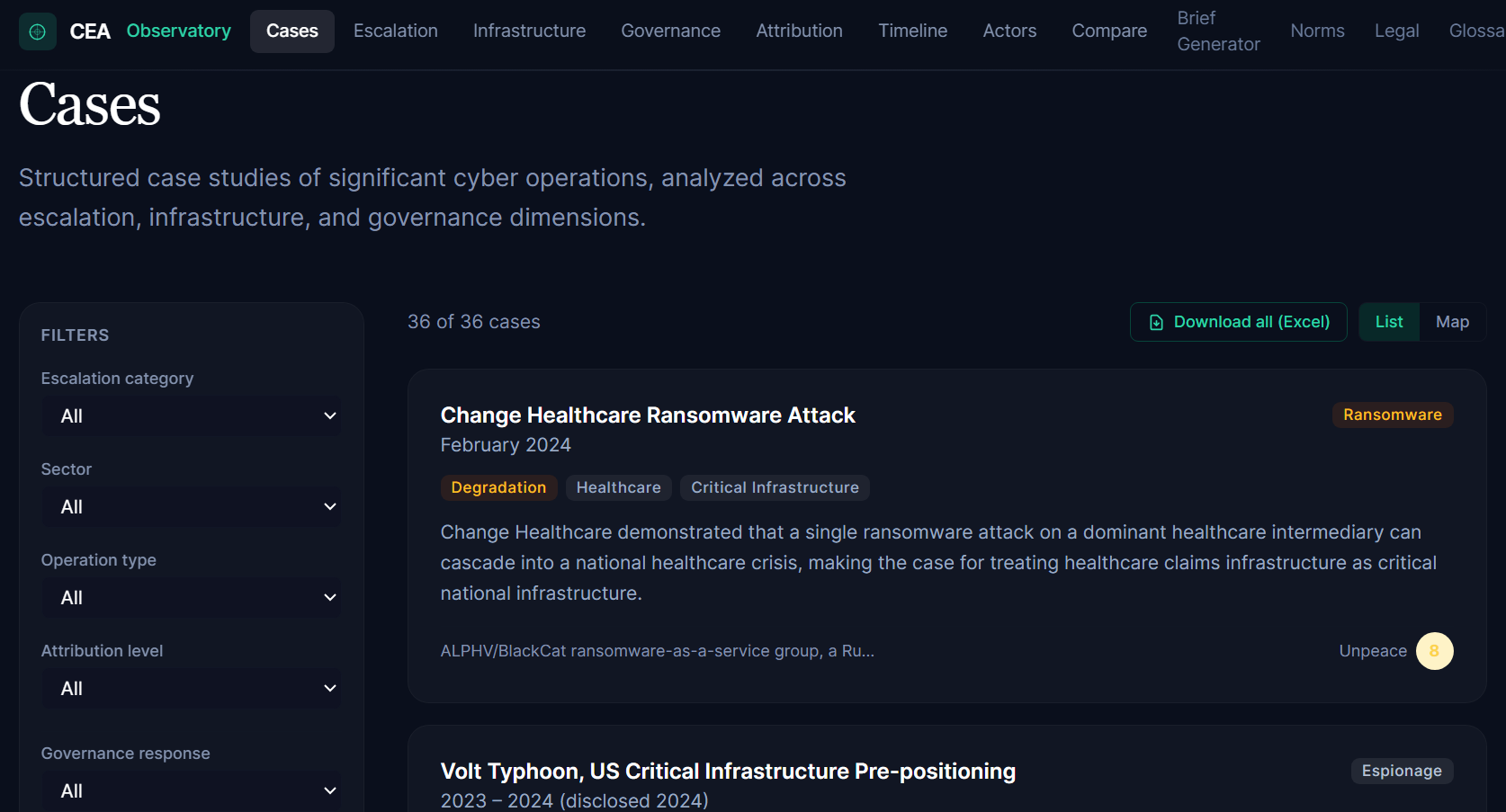
So how do I design it? First, I trace, through primary sources, the moments when official records are produced, identifying whose words were adopted and whose accounts were dropped. For example, I hand-coded 36 state-linked cyberattacks case by case and showed that even where the technical evidence was nearly identical, whether a perpetrator was publicly named moved with the political relationship to the accused state. I have since completed the same comparison across the official documents of the Artemis Accords and the ILRS, and am writing up who the phrase "peaceful use" actually hands authority to.
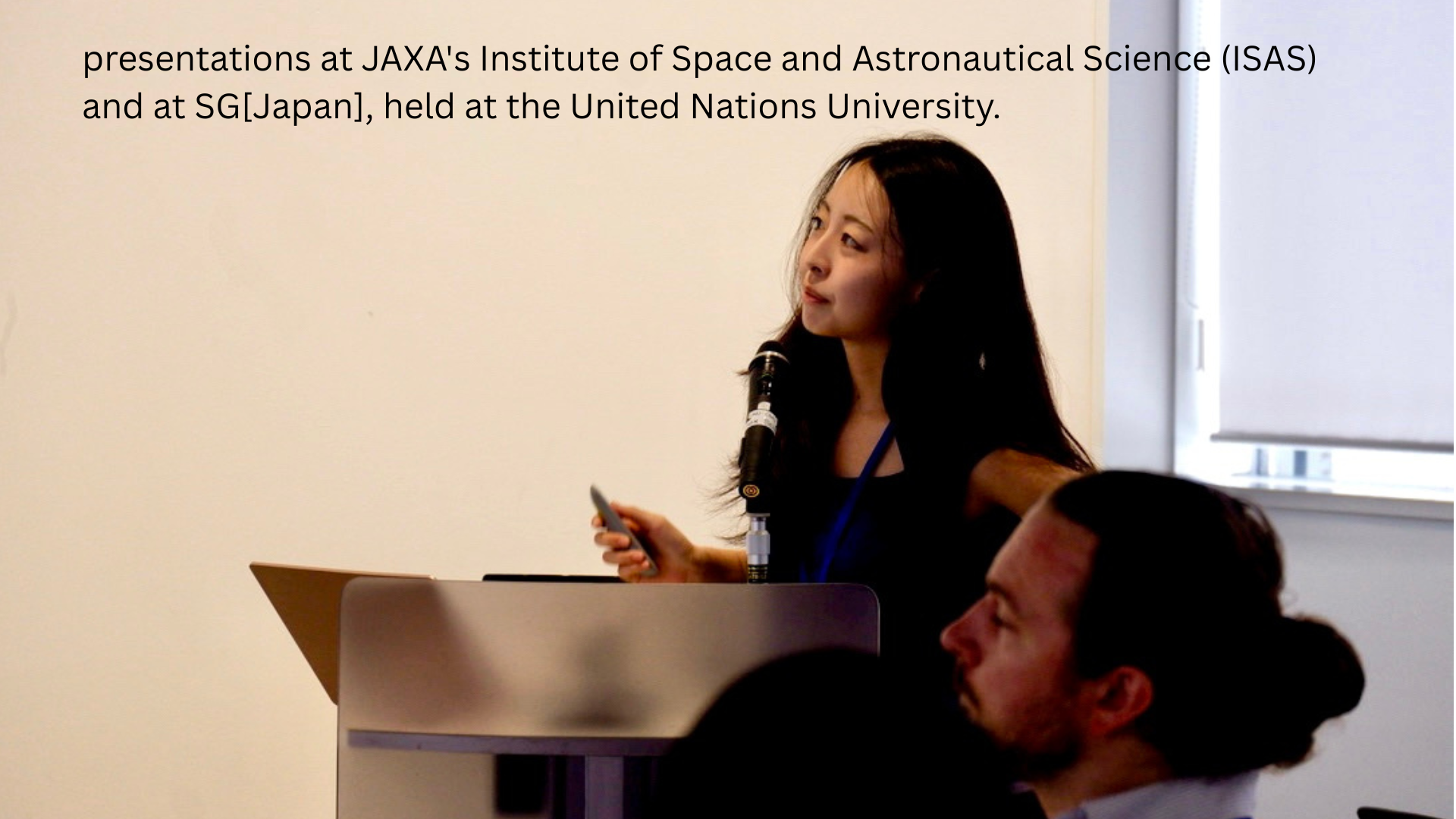
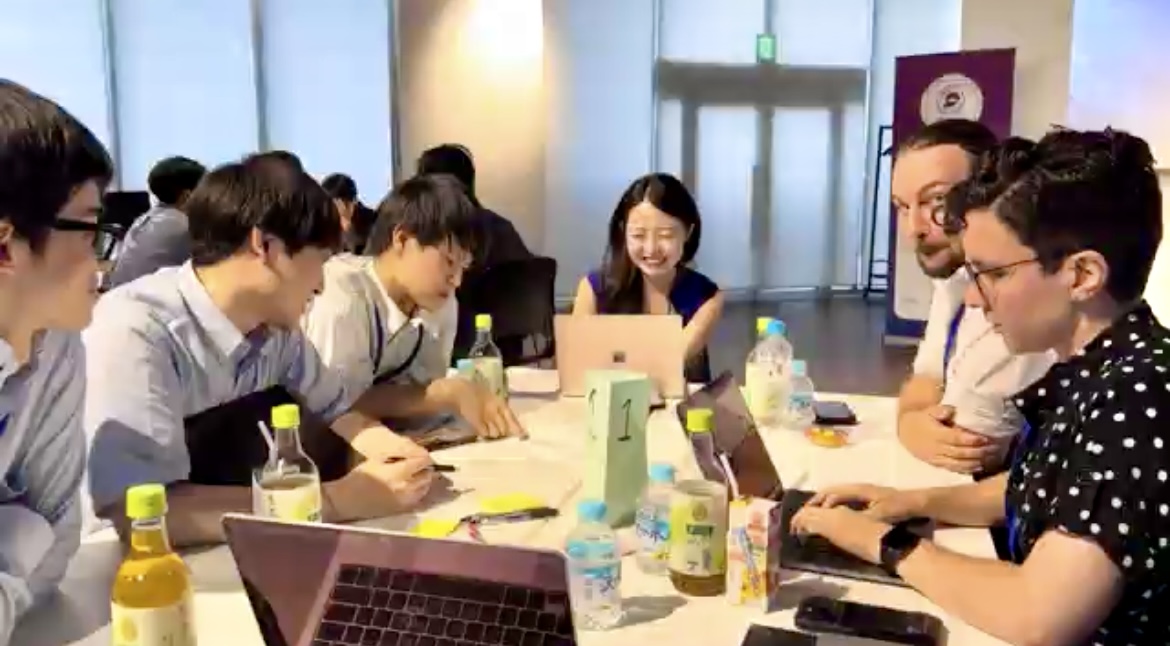
At the same time, so that the research does not end on paper, I am carrying this debate into practice and toward policy recommendations. As Space Policy Team Lead of the Space Generation Advisory Council's Japan chapter, I design and run workshops that start from the operating procedures engineers set every day: on-orbit servicing, debris removal, and more. This July, with support from JAXA and others, I hosted an international event that brought together about 40 young practitioners and researchers from around the world. A proposal of mine for a space-security research platform was also selected in an international competition, widening the venues from which I can speak. Regulators, operators, and the people affected:
my way of working is to build bridges between research and implementation through dialogue with people in different positions.
What is the research topic of this project?
This research will establish where the authority to interpret the "safety" of a lunar reactor can most robustly be placed. There are four candidate arrangements to consider:
- Extending IAEA safeguards (the inspection system) to the Moon
- Creating a new protocol at the UN Committee on the Peaceful Uses of Outer Space(COPUOS)
- Mutual observation between the parties, on the model of arms control
- Verification by private third parties, subject to accountability conditions
I will evaluate these against four conditions that a functioning verification regime must meet:
- Is the judge designated before an anomaly occurs?
- Is the judge independent of the parties being judged?
- Is the judge accountable to those bound by its findings?
- Does verification work, for the operator itself, as a means of clearing suspicion?
The fourth condition is the one this research adds. When an anomaly occurs in an environment where self-reporting is all there is, the operator has no way to prove that it was a malfunction and not an attack. As financial audit and aviation accident investigation show, a verification regime that works is also an instrument of credibility and exoneration for the party being verified.
Independent verification is not surveillance that binds the operator; it is insurance that protects the operator. An institutional design that lacks this condition will not be adopted, however correct it may be. That is this research's working prediction.
The evaluation rests on three touchstones. First, the 1978 re-entry of Cosmos 954, the only precedent in which the official record of a space nuclear anomaly was actually contested. Second, the Earth-orbit reactor planned for 2031. Third, a "first 72 hours of anomaly" scenario: for each of the four options, I will write out who has the standing to say what in the 72 hours
after telemetry is lost. Every score will be tied to primary sources so that anyone can check it. The results will be published on this page in November 2026, as a comparison table of the four institutional options together with the 72-hour scenario. I will then share the findings and present them as recommendations at the annual conference of the EU Non-Proliferation and Disarmament Consortium (EUNPDC) in Brussels.
Why we need your support
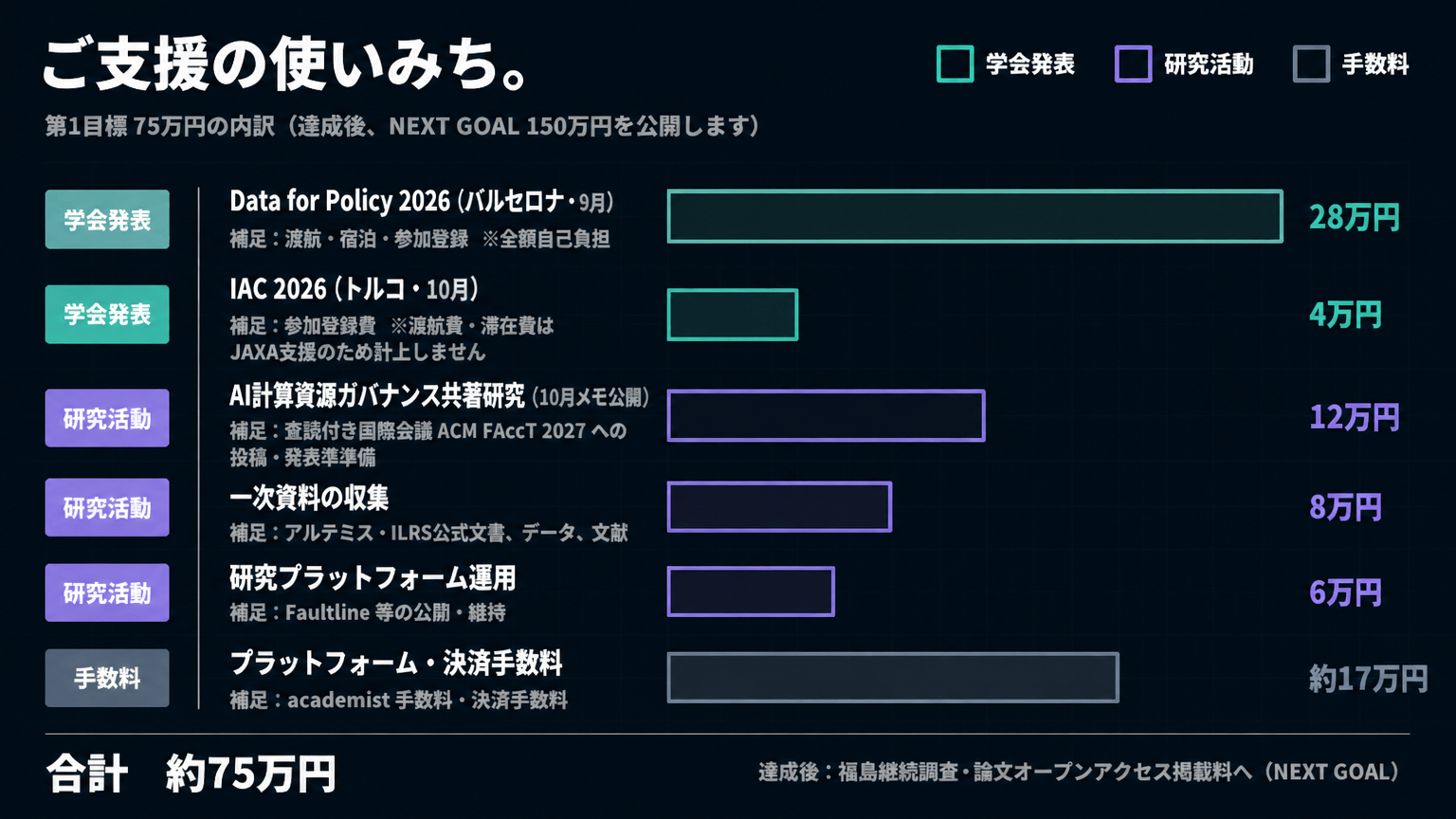
As an undergraduate, I am not eligible to apply for public research funding such as Japan's KAKENHI grants. I have sustained my research on scholarships and my own savings. Now four first-authored papers have been accepted at international conferences, with presentations confirmed for Barcelona in September and Türkiye in October. For the IAC I can receive JAXA's support as an ISEB delegate student, but Barcelona is at my own expense.
Your support will go toward presenting in Barcelona, participating in the IAC, submitting our research on AI compute governance to an international conference, and collecting primary sources.
And there is something I want to ask of you that matters as much as the funding: think through this question with me. If the question sounds abstract, the main reason is that it has not yet been implemented anywhere. An unprecedented institution only becomes concrete once it is discussed. "Can that verifier really be called independent?" "How should the world fill this gap?"
Questions and objections like these are what will sharpen the comparison table and bring the recommendations closer to reality. I will share my progress, and my stumbles, with nothing held back. Please think through this with me. Thank you for your support and cooperation.
Recommender's comment
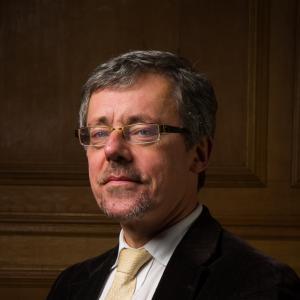
Harald Wydra
Risa Koyanagi is a brilliant young scholar, an intellectually agile thinker, and an accomplished writer. In twenty-two years of teaching undergraduate and graduate students in Cambridge, I have rarely seen such a thoughtful and highly motivated student with an unconditional commitment to scholarship. As I could ascertain in a personal encounter with her in Cambridge, her high-flying ambition comes with quiet confidence and an unassuming demeanour. I can commend her to you most enthusiastically and without any hesitation.
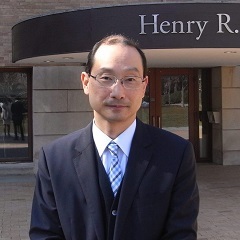
Daisaku Higashi
Ms Risa Koyanagi devotes herself to her studies with exceptionally high aspirations and enthusiasm, and she is determined to carry them into her future research. In particular, her current research theme, bringing the accumulated scholarship on how to end armed conflicts on Earth and build sustainable peace to bear on the creation of international rules for the peaceful use of outer space, addresses what I consider one of humanity's greatest challenges. If international rules for the peaceful use of space can be established, the significance for humanity's future will be enormous. Ms Koyanagi has already had opportunities to present her research at academic conferences around the world. For a young Japanese student to pursue research of such global significance at a world-renowned university like Cambridge is extremely rare and precious, for Japan and for the world, and I sincerely hope that many people will support her.
Project timeline
| Date | Plans |
|---|---|
Early August 2026 |
Conducted fieldwork in Fukushima (Iwaki, Namie, Futaba, Minamisoma), August 3-7. Documented these places as they are now, years after the evacuation orders were lifted |
Mid-August 2026 |
For co-authored research on compute governance, built an evidence table comparing IAEA safeguards inspections, the EU Emissions Trading System and Basel banking supervision |
Late August 2026 |
Completed the three papers to be presented at the International Astronautical Congress (IAC 2026) (comparative coding of the Artemis Accords and the ILRS already completed) |
September 2026 |
Present the analysis of 36 state-linked cyberattacks at Data for Policy 2026 (Barcelona) |
October 2026 |
Attend the International Astronautical Congress (IAC 2026, Türkiye) as a JAXA ISEB delegate student and present three sole-authored papers and one co-authored paper. Publish the co-authored memo on AI compute governance |
Pledge Rewards
I will send you a thank-you message by email. This reward is scheduled for November 2026.

Thank-you message
Support this project7 supporters are supporting with this reward. (No quantity limit)
A supporter-only letter, with photographs from the field, documenting my August 2026 fieldwork in Fukushima (Iwaki, Namie, Futaba, Minamisoma). How the museum exhibits have been rewritten over time; what I saw there and what I thought. The origins of this research, shared with supporters alone.
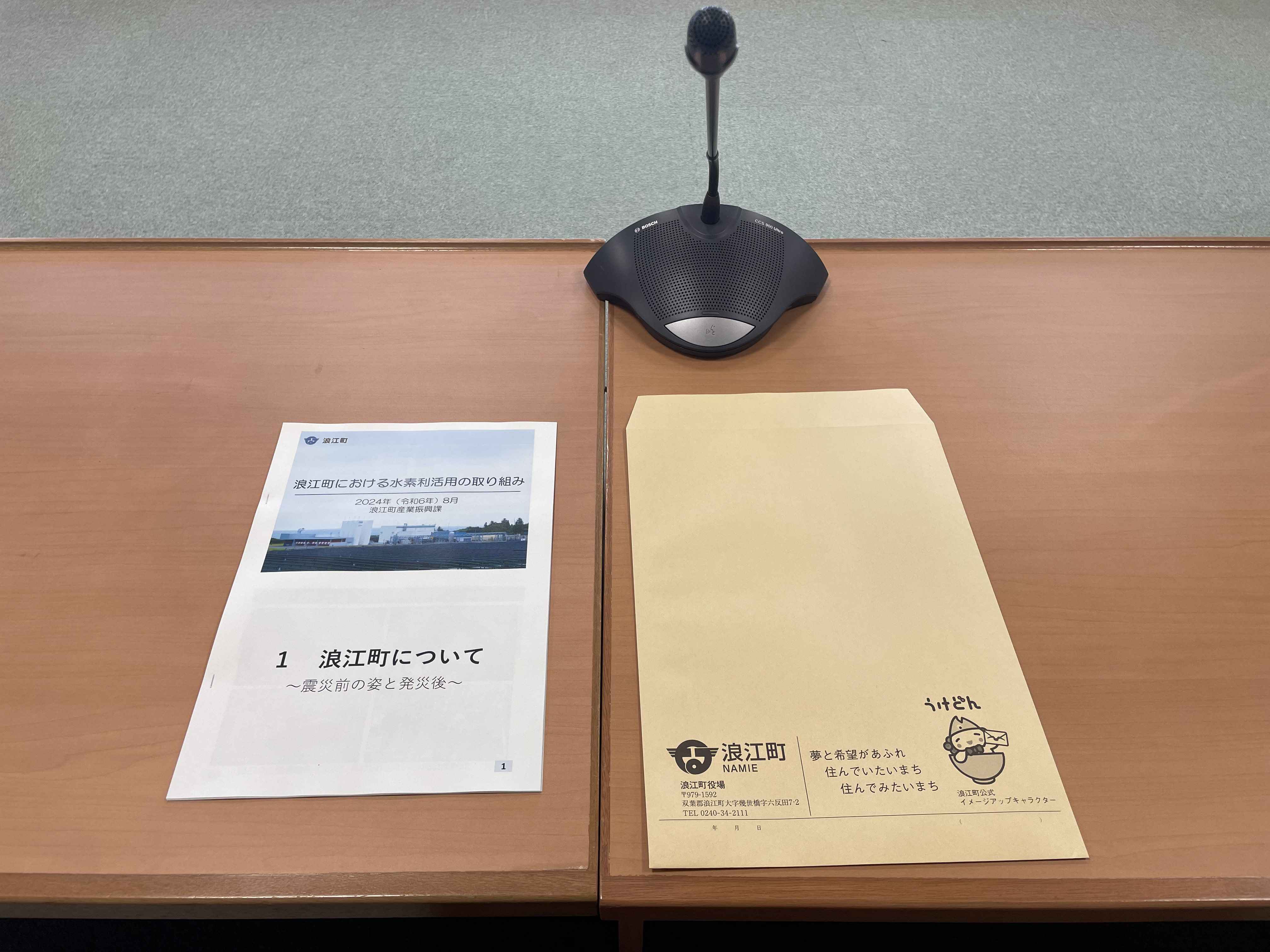
Fukushima Fieldwork Letter / Thank-you message
Support this project8 supporters are supporting with this reward. (No quantity limit)
Your name will be listed as a supporter in the research report I contribute to academist Journal.
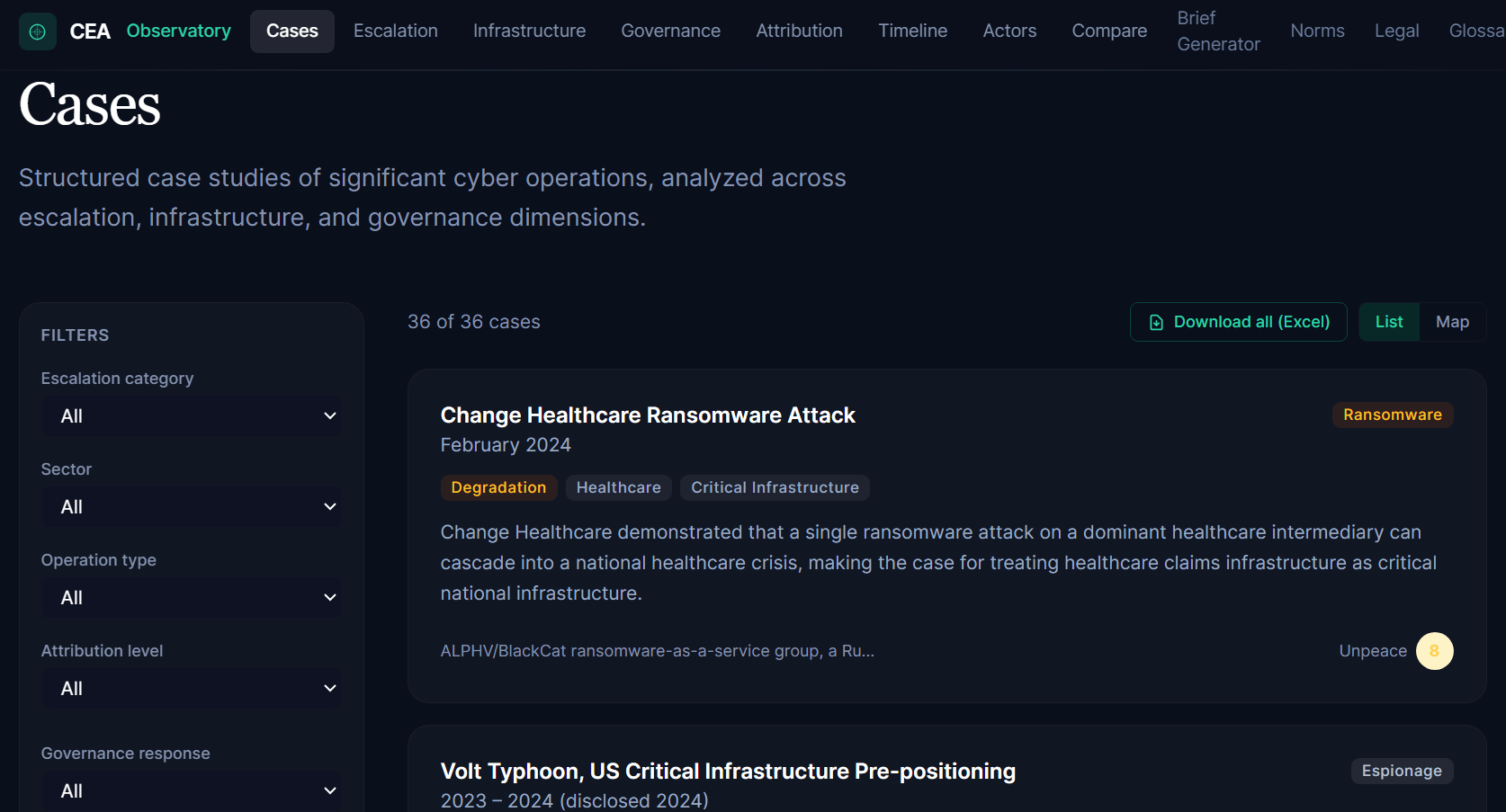
Your name in the research report / Thank-you message / Fukushima Fieldwork Letter
Support this project7 supporters are supporting with this reward. (No quantity limit)
Supporter-only advance access to my presentation slides for Data for Policy 2026 (Barcelona, September) and the International Astronautical Congress (IAC 2026, Türkiye, October), shared with you before I present them. Together with on-site reports from both conferences: the atmosphere in the room, where the Q&A pressed hardest, the discussions with other researchers. The experience of "accompanying" me to the conferences.
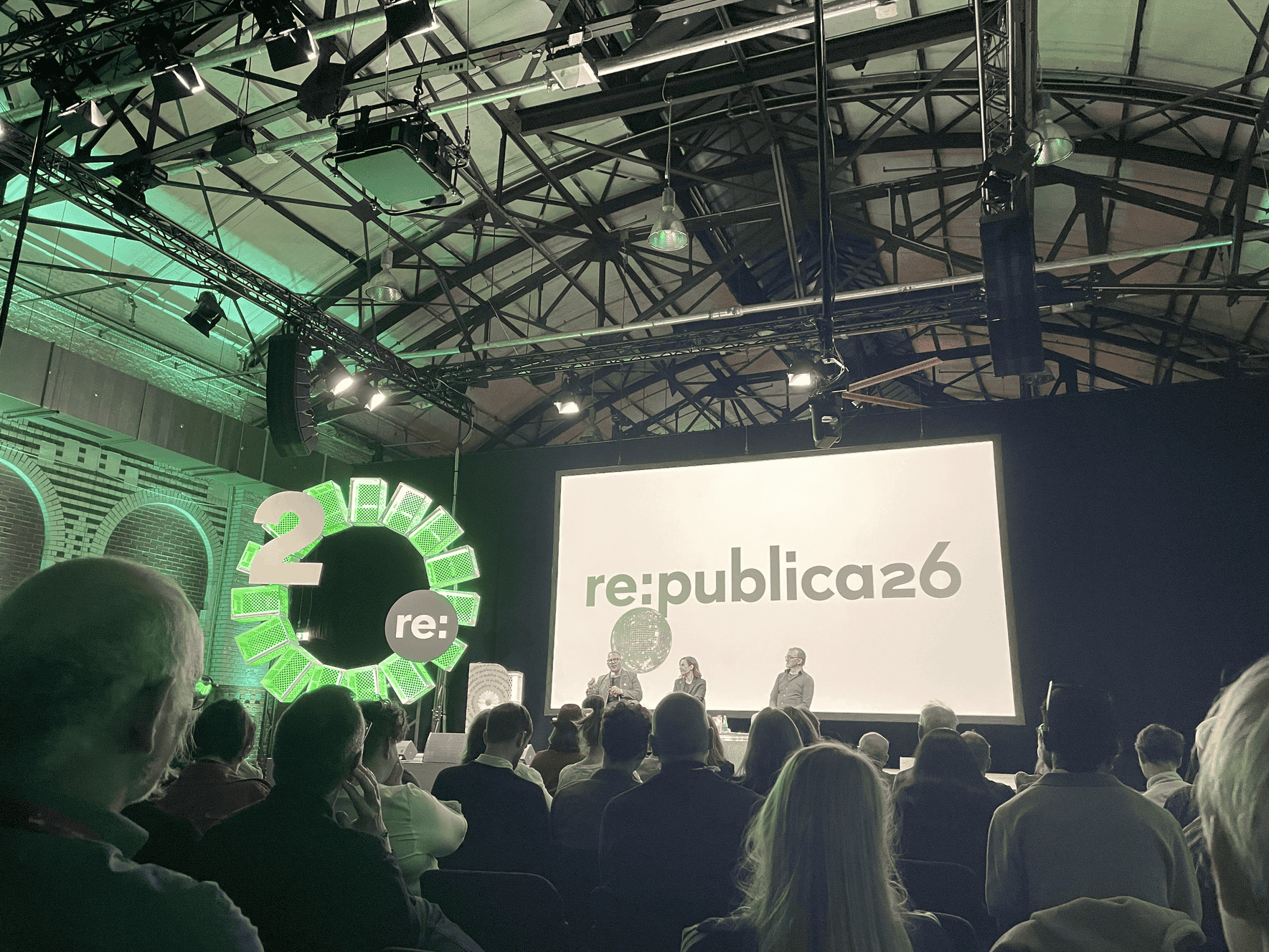
On-site conference reports + advance access to presentation materials / Thank-you message / Fukushima Fieldwork Letter / Your name in the research report
Support this project1 supporters are supporting with this reward. (No quantity limit)
Who should verify a nuclear reactor on the Moon? Ahead of public release, I will present the comparison of the four institutional options in a small online seminar, with generous time for questions and objections. Your questions are what will sharpen this research. (About one hour; date arranged individually.)
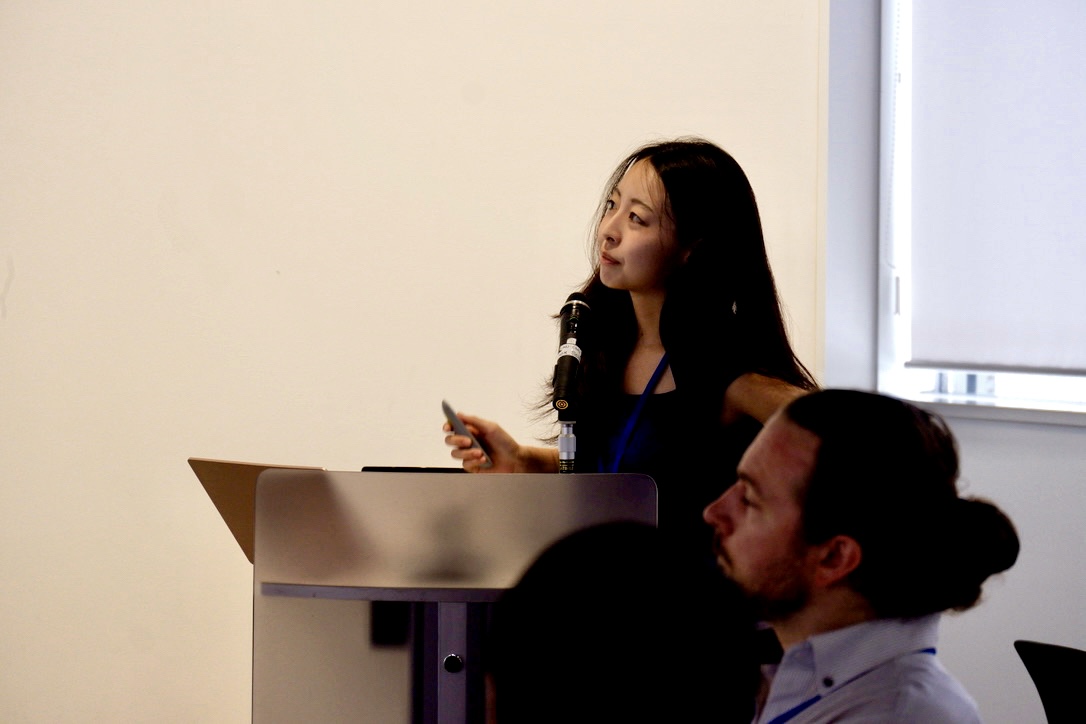
Online research seminar (small group) / Thank-you message / Fukushima Fieldwork Letter / Your name in the research report / On-site conference reports + advance access to presentation materials
Support this project2 supporters are supporting with this reward. (No quantity limit)
An opportunity to discuss this research one to one. Content and schedule to be arranged individually. This reward is scheduled for November 2026.
Individual briefing / Thank-you message / Fukushima Fieldwork Letter / Your name in the research report / Online research seminar (small group) / On-site conference reports + advance access to presentation materials
Support this project1 supporters are supporting with this reward. (No quantity limit)





SSL encryption communication is used in this Web site, and the informations filled out are safely transmitted.
Your name in the research report and others
Support this project
7
supporters
back
(No quantity limit)
On-site conference reports + advance access to presentation materials and others
Support this project
1
supporters
back
(No quantity limit)
Online research seminar (small group) and others
Support this project
2
supporters
back
(No quantity limit)

 academist Prize 2nd adopted